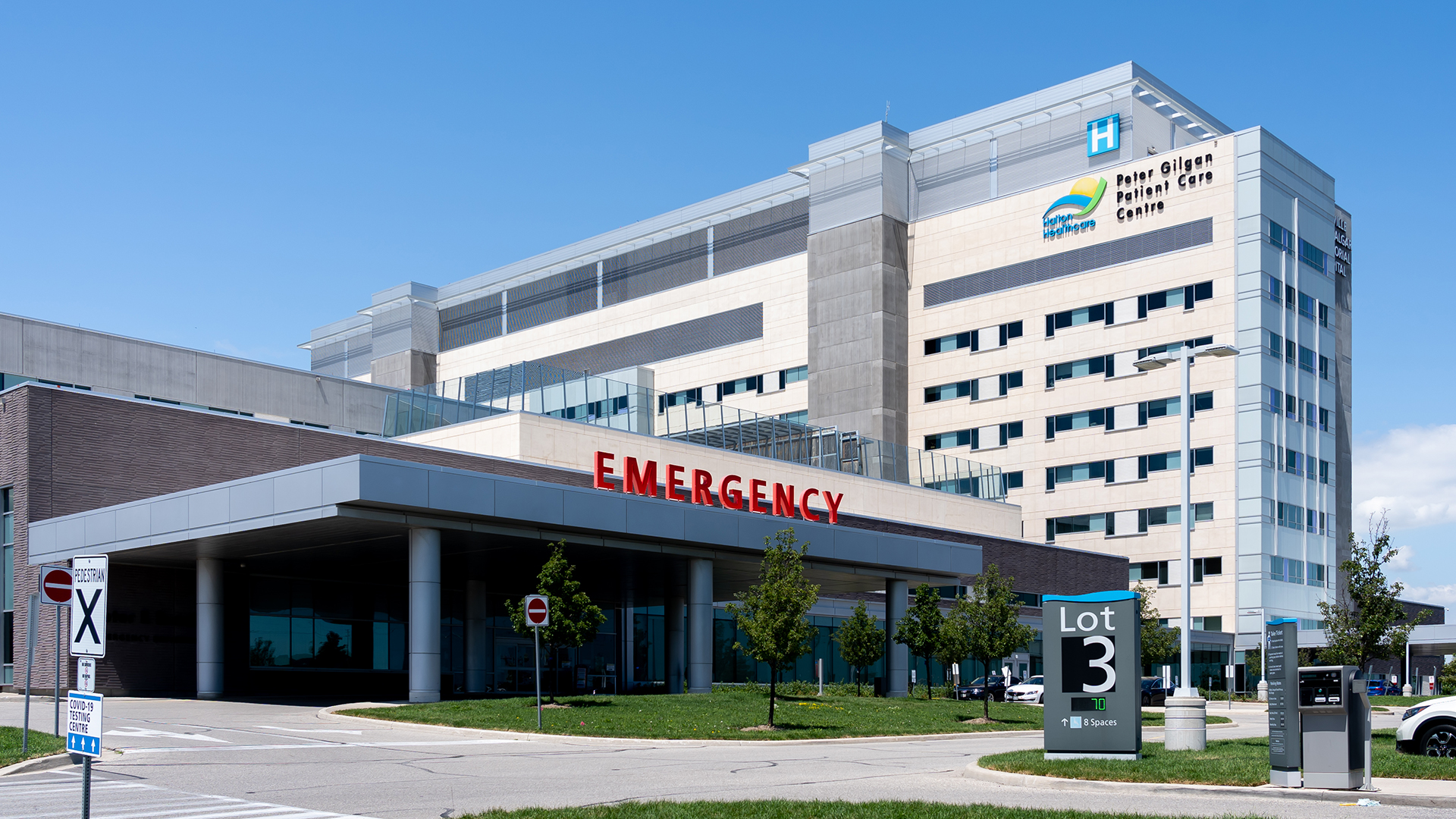
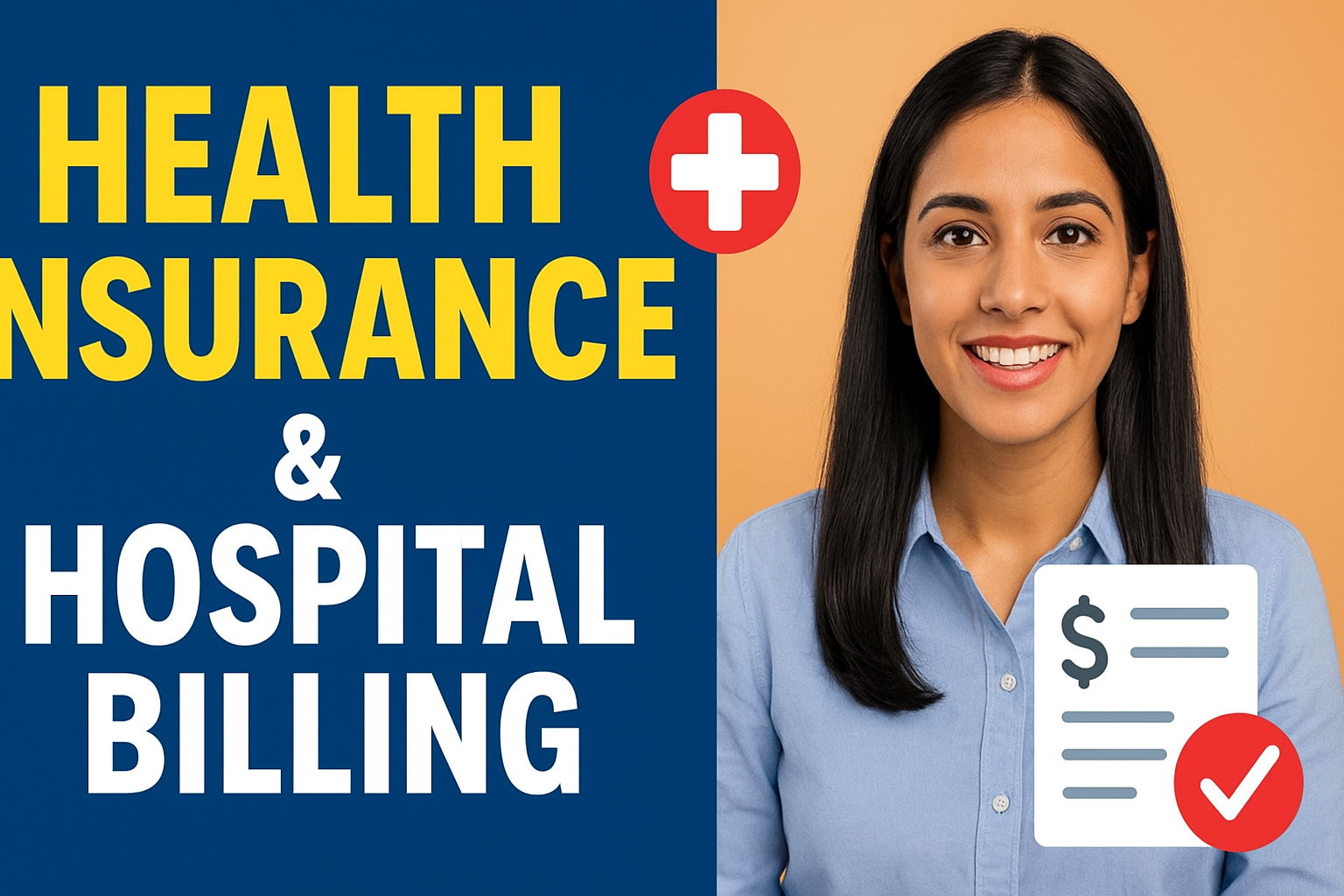

In today’s world, healthcare costs are rising rapidly. A single hospital visit for surgery, maternity, or emergency care can cost thousands of dollars. For this reason, health insurance and hospital billing have become two of the most important topics in modern healthcare. Understanding them helps patients avoid financial stress and ensures smoother treatment without worrying about expenses.
This article explains what health insurance is, how hospital billing works, their relationship, benefits, challenges, and tips for patients.
What is Health Insurance?
Health insurance is a financial agreement between an individual and an insurance company. In exchange for a regular premium, the insurance company covers part or all of the medical expenses when the insured person requires treatment.
Key Features of Health Insurance:
- Coverage for Hospitalization – Insurance covers expenses like room rent, doctor’s fees, surgery, medicines, and diagnostic tests.
- Cashless Treatment – In-network hospitals allow direct settlement between hospital and insurance provider.
- Reimbursement Facility – Patients can pay bills upfront and later claim reimbursement from the insurance company.
- Pre & Post-Hospitalization Coverage – Expenses like consultation, medical tests, and follow-up care are also included.
- Critical Illness Plans – Special coverage for diseases like cancer, heart attack, or kidney failure.
What is Hospital Billing?
Hospital billing refers to the process of preparing and submitting medical bills for the services provided to a patient. It includes everything from registration to discharge and final payment.
Components of Hospital Billing:
- Registration Details – Patient’s personal and insurance information.
- Consultation Fees – Charges for doctors and specialists.
- Room Charges – Depending on whether the patient chooses a general ward, semi-private, or private room.
- Operation & Surgery Costs – Including surgeon’s fees, anesthetist, and OT charges.
- Medicine & Pharmacy Bills – Drugs prescribed during hospital stay.
- Diagnostic Tests – Lab reports, X-rays, MRI, CT scans, etc.
- Miscellaneous Charges – Nursing care, equipment usage, ambulance, etc.
Relationship Between Health Insurance & Hospital Billing
Health insurance and hospital billing are deeply interconnected. When a patient is admitted:
- Insurance Verification – The hospital verifies if the patient’s policy is active and valid.
- Cashless Facility – If the hospital is in the insurer’s network, the bill is directly settled between them.
- Reimbursement Mode – If the hospital is not in-network, the patient pays first and later submits documents to the insurance company for repayment.
- Claim Settlement – The insurance company checks the hospital bill, compares it with the policy terms, and then approves or rejects certain charges.
This process helps patients avoid paying large sums during emergencies.
Benefits of Health Insurance in Hospital Billing
- Financial Protection – Prevents patients from using savings for medical emergencies.
- Cashless Treatment – Reduces stress during hospital admission.
- Wide Coverage – Covers not just hospitalization but also pre/post treatment.
- Tax Benefits – Premiums paid are eligible for tax deductions in many countries.
- Encourages Preventive Care – Some policies cover annual check-ups and vaccinations.
Challenges in Health Insurance & Hospital Billing
- Complex Documentation – Patients often find forms and procedures confusing.
- Hidden Charges – Not all hospital expenses are covered by insurance (e.g., luxury room upgrades, personal items).
- Claim Rejection – Happens if terms are not understood properly.
- Limited Network Hospitals – Cashless facility only works in tie-up hospitals.
- High Premiums – Comprehensive plans may be costly for some families.
Tips for Patients to Manage Health Insurance & Billing
- Choose the Right Policy – Select an insurance plan that matches your family’s health needs.
- Understand the Terms – Read inclusions, exclusions, waiting periods, and claim limits carefully.
- Keep Documents Ready – Always carry insurance card, ID proof, and policy papers during admission.
- Ask for Itemized Bill – Ensure transparency by requesting detailed hospital bills.
- Use Network Hospitals – Prefer hospitals partnered with your insurance provider for cashless treatment.
- Plan for Emergencies – Always have knowledge of nearby network hospitals.
Future of Health Insurance & Hospital Billing
With digital transformation, the healthcare industry is moving toward paperless billing and online claim processing. Features like:
- E-claims submission
- AI-based fraud detection
- Telemedicine coverage
- Wearable health device integration
are making the process faster, transparent, and more patient-friendly.
Conclusion
Health insurance and hospital billing are two sides of the same coin. While hospital billing records the cost of treatment, health insurance ensures that patients are not overburdened by these expenses.
By choosing the right policy, understanding billing components, and using cashless facilities, patients can reduce financial stress and focus on recovery. In the long run, proper health insurance not only saves money but also provides peace of mind.
👉 Remember: Health is wealth, but financial planning ensures that your wealth also protects your health.